Every year on 23 September, International Day of Sign Languages provides an opportunity to recognise the importance of sign languages and to raise awareness of the rights and experiences of Deaf people around the world.
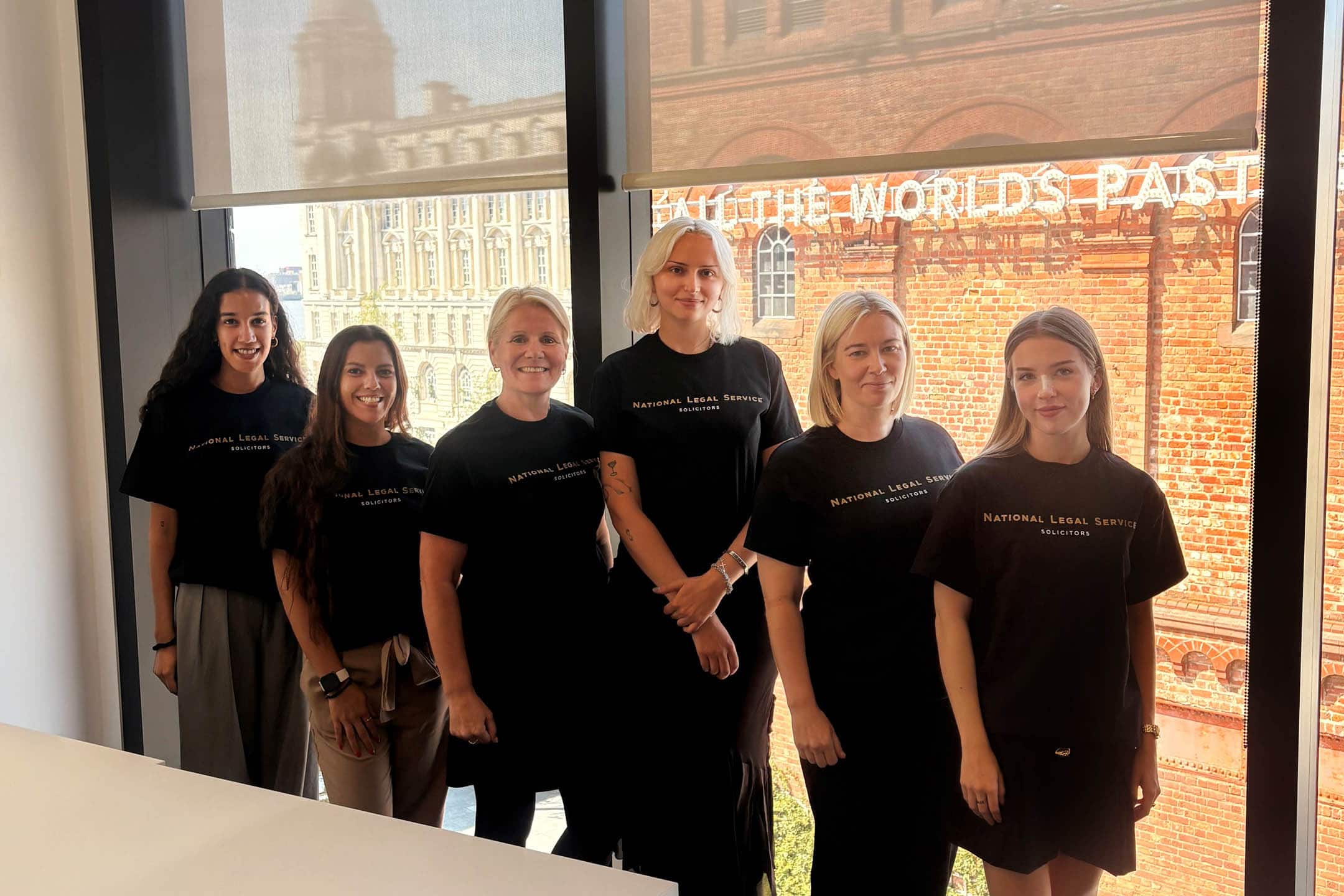
This year, the day feels particularly relevant following a recent workshop I attended with colleagues in the Leeds office of National Legal Service Solicitors, delivered by SignHealth. The session focused on domestic abuse within the Deaf community and gave us an important insight into some of the barriers Deaf survivors can face when trying to access support.
Working in family, care and domestic abuse law means we regularly meet people at some of the most difficult and vulnerable points in their lives. Being able to access advice, understand the options available and communicate effectively with a legal professional is incredibly important. The workshop made me reflect on how much more difficult that process can become when services are not designed with Deaf people and their communication needs in mind.
More than a communication barrier
One of the key messages I took away from the SignHealth session was that accessibility involves much more than simply arranging an interpreter.
Deaf people can experience a range of barriers when accessing services. Something as routine as asking a client to telephone an office can immediately create an obstacle. Information may not always be available in an accessible format, and professionals may not have sufficient awareness of British Sign Language (BSL), Deaf culture or the different ways in which Deaf people may prefer to communicate.
These issues can become even more significant in the context of domestic abuse.
Seeking help can already require enormous courage. If a survivor then encounters additional communication barriers when trying to explain what has happened, understand their legal options or access specialist support, an already difficult situation can become even harder.
The workshop was a valuable reminder that we should never assume what communication method will work best for somebody. Asking a person how they would prefer to communicate and considering what adjustments can be made is a simple but important starting point.
Making legal services more accessible
International Day of Sign Languages is also an opportunity for those of us working in professional services to think about what accessibility looks like in practice.
Not every adjustment needs to be complicated. Providing alternatives to telephone communication, arranging appropriate BSL interpretation when required, allowing sufficient time for appointments and considering how information is provided can all help make services more accessible.
There is also a wider responsibility to develop our own awareness. We cannot expect clients to be responsible for teaching professionals how to make services accessible to them.
For me, that was one of the real benefits of attending the SignHealth workshop. It gave our team the opportunity to listen, ask questions and learn directly from a specialist organisation about experiences and barriers that we may not otherwise fully appreciate.
Learning from specialist organisations
The session also introduced us to the specialist support available through SignHealth.
Its Domestic Abuse Service supports Deaf people experiencing domestic abuse and sexual violence, with support designed around the communication and cultural needs of Deaf people. Knowing that specialist organisations and resources exist is particularly important for professionals working with survivors.
As solicitors, our role may be to provide legal advice and representation, but a client’s needs will often extend beyond the legal process. Understanding which specialist organisations are available means we can make better-informed referrals and work alongside other services to provide more effective support.
A reason to keep learning
International Day of Sign Languages is a celebration of sign languages, but it is also an opportunity to consider whether the services and systems around us are genuinely accessible to the people who need them.
Attending the SignHealth workshop reinforced for me that accessibility starts with awareness, listening and a willingness to adapt.
As legal professionals, we may not always have all the answers, but we can continue to educate ourselves, ask the right questions and work with specialist organisations to remove unnecessary barriers.
I am grateful to Lou and the team at SignHealth for spending time with our Leeds office and delivering such an informative session.
This International Day of Sign Languages, I hope we can all take the opportunity not only to recognise the importance of sign languages, but also to consider what we can do within our own professions and workplaces to make communication and support more accessible.